






How to Teach Abacus to Younger Kids (Ages 5 - 15)
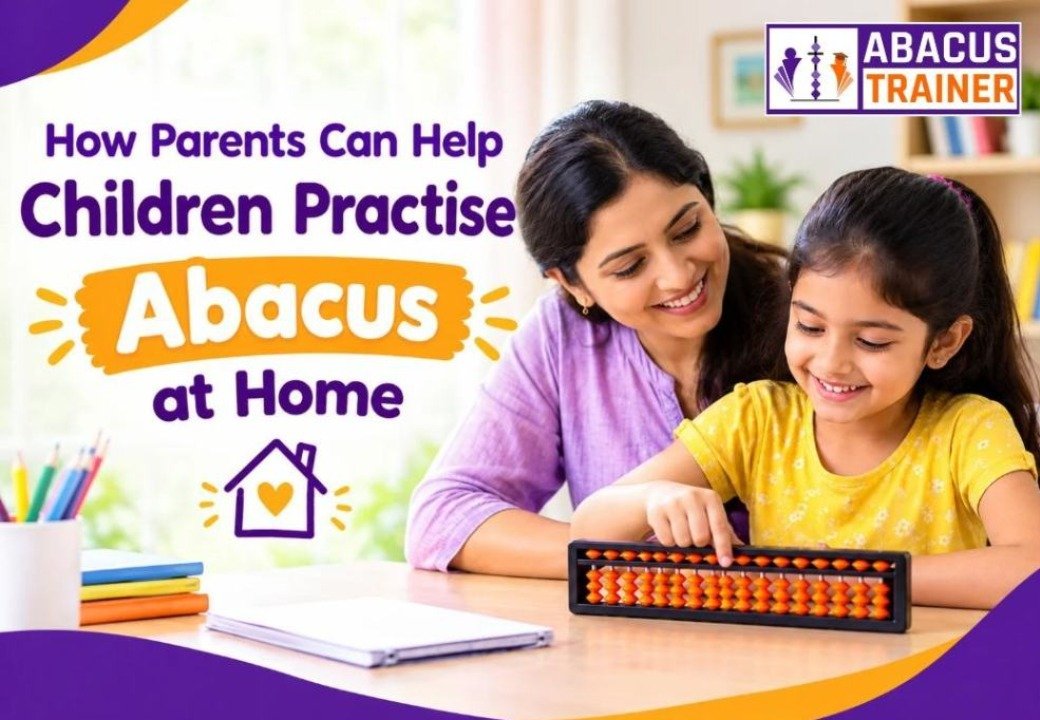
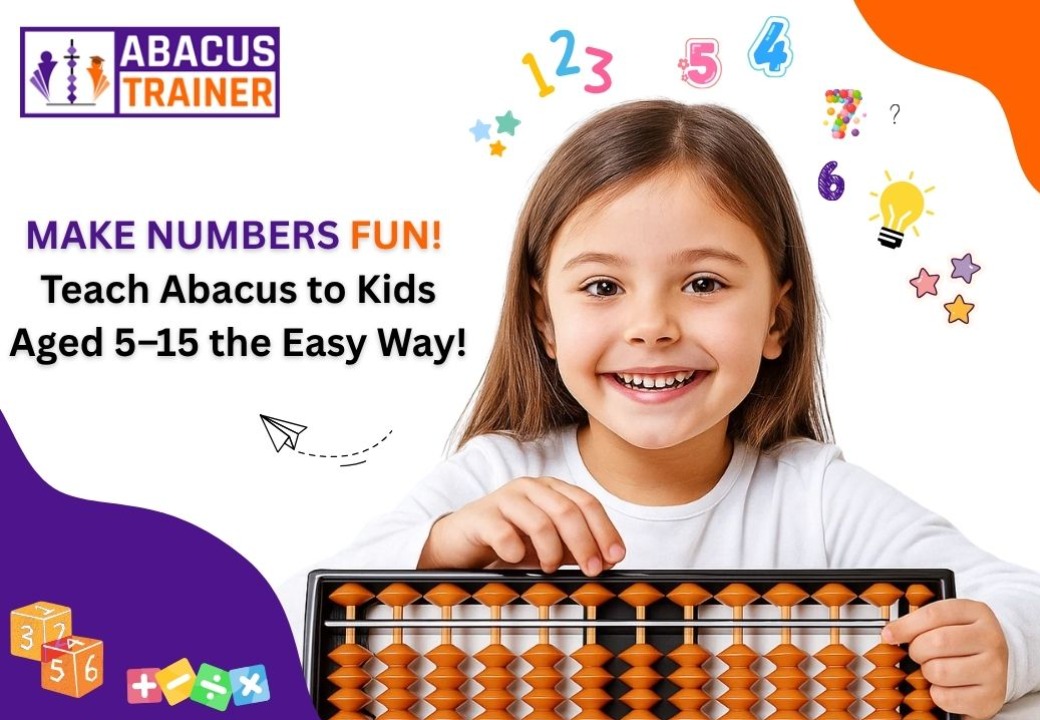
It can be a challenge and it can also be fun. At this tender age, kids are replete with innocence and imagination. The abacus is one of the best manipulatives to teach numbers and math in a fun, hands-on way. In this blog, read more about teaching abacus to most young kids (age 5-15) and why it is helpful and simple ways you can follow for effective learning.
Why Abacus for Preschoolers?
An abacus isn’t only a counting device and for that matter, neither exclusively is a book of Mormon history or New York City’s most famous park. Children who are 5–15 years old learn best by seeing and touching things in their lessons. As they move the colorful beads, it helps them link numbers to amounts.
BENEFITS OF ABACUS FOR 4 YEAR OLD:
- Improves concentration and memory
- Develops hand-eye coordination
- Develops number sense and critical thinking
- Promotes Quick and confident counting.
- Learn through visual and physical engagement
At these young ages, learning the abacus was less about solving big calculations and more about laying a foundation for future math skills. How to Teach the Abacus for Children ages 5-15:
A Step-by-Step Guide to Teaching the Use of an Abacus
Now let’s see some easy and best abacus teaching methods for young children that parents or teachers can adopt.
Step 1: Introduce the Abacus
- Children who haven’t taken to the abacus can then build something similar before moving on to numbers.
- It’s good for them to touch and slide the beads.
- Talk about colors, rows and columns.
One at a time, describe each bead as representing a number or value.
Tip: Hold off on teaching math. At the very beginning, let them play with moving beads around and familiarize themselves with how to use the tool.
Step 2: Start with Counting
Start by threading the beads from 1-10. Practice the numbers by moving one bead as you count with your child.
- Count forward and backward.
- Ask them things like, “Can you jump 3 beads?” or “How many beads are left?”
- This assists in number recognition and basic addition/subtraction concepts.
Step 3: Teach Number Values
So, once they’re good and comfortable with counting, start to bring in place value in a really simple form.
- Have one row for ones, another for tens (you may make the point that 10 singles equals a ten).
- Make use of straightforward examples: “If you take 10 beads from here, it turns into one ten beads over there.”
- Algebra Here is an intuition for what numbers grow.
Step 4: Use Games and Activities
The next aspect of intervievale/ping that I implement into my classroom is games. Young kids are best learning through play so try activities like
- “Find the Number” Game: State a number and have them display it on the abacus.
- Color Counting: Have the child count only the red beads or blue ones.
- Number Race: Who can make the 7 first.
Tip: Make the learning brief, thrilling and playful.
Step 5: Introduce Simple Addition & Subtraction
The Easy Way Now you can teach your child how to add and subtract quickly. After your child is comfortable with counting, you can introduce basic operations.
- Move 3 beads, then add 2 more. How many do you have now?
- You had 5 beads take away 2 How many?
- This “hands-on” process allows the girls to see math, instead of memorizing it.
Step 6: Encourage Mental Visualization
After that, ask them to visualize the beads in their heads after practicing a few weeks. For example:
Can you imagine 5 beads? And now add two more. How many do you have?
This also helps in improving the mental math skills, which is an end product of abacus learning.
How to teach abacus to preschoolers
Sessions Should Be Short: For children 4-6 years old, take no more than 10 to 15 minutes a day.
Use Positive Encouragement: Applause and smiles work wonders in the direction of small accomplishments!
Introduce Fun: Tell a short story or sing while you are stringing beads.
Be Positive: All children will learn to use the toilet at their own rate. Do not make it a power struggle or put pressure on them.
Practice Differently: Daily 5-10 minute practice is more effective than hour long weekly sessions.
Final Thoughts
One of the best ways to develop a love for numbers and math in little children is through teaching them abacus. At 5 - 15 years old, it’s all about fun and color and curiosity not speed or competition.
When abacus for kids is taught in the correct way it forms a solid base of mathematics that lasts forever; not to mention improved memory and tremendous amounts of confidence built up over the years.
Go slow, make it fun, and you will have your small one counting with excitement and confidence in no time!