







Abacus for Special Education
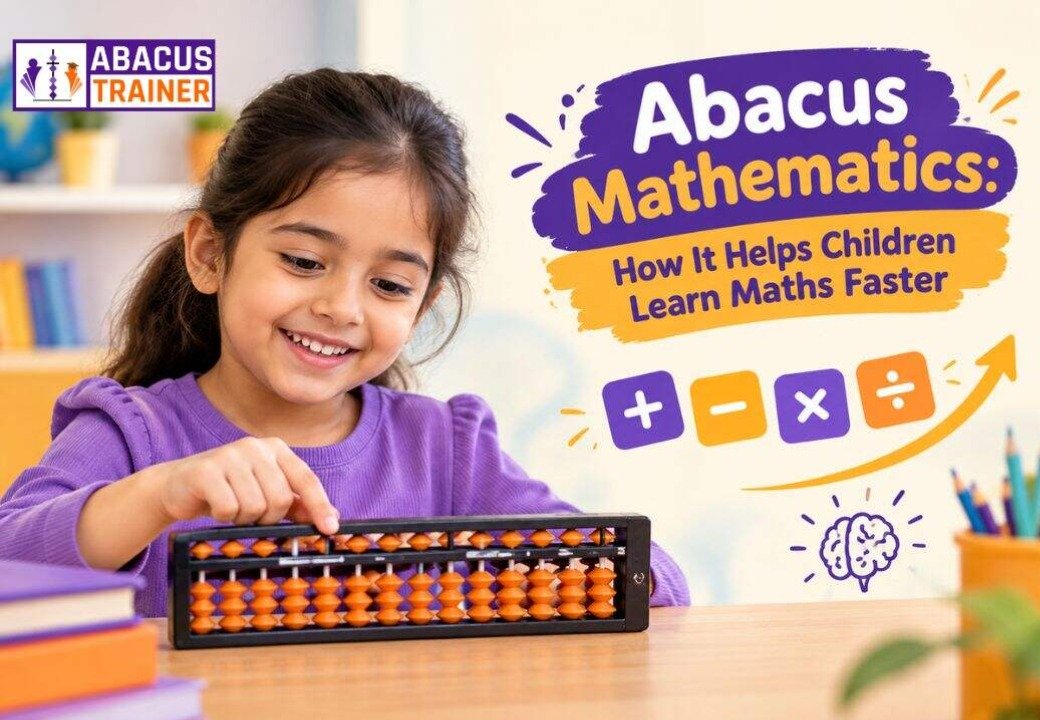
Introduction Using an abacus can be a beneficial educational tool for children with intellectual or developmental challenges. The abacus provides a tangible and visual way to teach mathematical concepts, and its hands-on nature can be particularly effective for children with diverse learning needs. Here are some ways to adapt the use of an abacus for mentally challenged children.
Visual and Tactile Learning:
- The abacus provides a hands-on, tactile experience that can benefit children who learn best through touch and movement.
- The beads on the abacus offer a visual representation of numbers, making it easier for children to grasp mathematical concepts.
Counting and Basic Math Skills:
- The abacus is excellent for teaching basic counting, addition, subtraction, multiplication, and division.
- It helps in developing a concrete understanding of mathematical operations by physically moving beads to represent numbers.

Sequential Learning:
- Children with special needs often benefit from sequential and structured learning. The abacus allows for a step-by-step approach to learning mathematical concepts.
- The linear arrangement of beads helps in organizing and understanding the sequence of numbers.
Fine Motor Skills Development:
- Manipulating the beads on the abacus can aid in the development of fine motor skills.
- For children with motor skill challenges, using the abacus can be a therapeutic and skill-building activity.

Visual Tracking and Focus:
- Following the movement of beads on the abacus can enhance visual tracking skills.
- The abacus can be particularly helpful for children who need support in improving concentration and focus.
Customized Abacus Designs:
- Consider using abacuses with larger beads or those made of different materials for sensory-sensitive children.
- Some abacuses are designed with bright colors to attract attention and make learning more engaging.

Individualized Instruction:
- Tailor the use of the abacus to the individual needs and learning style of each child.
- Provide one-on-one guidance and support, adapting the pace and complexity of activities as needed.
Repetition and Reinforcement:
- Repetition is often key for children with special needs. The abacus allows for repeated practice of mathematical concepts in a structured manner.
- Reinforce learning through a variety of activities and games involving the abacus.
Incorporate Multi-Sensory Techniques:
- Use multi-sensory approaches by combining auditory cues (such as counting aloud) with the tactile and visual elements of the abacus.
- Engage multiple senses to enhance the learning experience.
Patience and Positive Reinforcement:
- Be patient and provide positive reinforcement. Celebrate small achievements and progress.
- Use the abacus as a tool for building confidence and a positive attitude toward learning.
Sensory-Friendly Abacus:
- Choose an abacus with larger, colorful beads that are easy to manipulate.
- Consider using an abacus with textured beads to provide additional sensory input.
Simple Counting and Sorting:
- Start with simple counting exercises to help children understand the concept of quantity.
- Use the abacus for sorting activities to reinforce basic numerical concepts.
Visual and Tactile Learning:
- Capitalize on the visual and tactile aspects of the abacus to make abstract concepts more concrete.
- Encourage children to touch and move the beads as they count.

Use of Color-Coding:
- Assign different colors to specific numbers or groups of numbers to aid in visual recognition.
- This can help children associate colors with quantities, making the learning process more accessible.
Repetition and Routine:
- Children with mental challenges often benefit from repetition and routine.
- Incorporate regular sessions with the abacus into their routine to reinforce mathematical concepts.
Individualized Instruction:
- Recognize the unique needs of each child and provide individualized instruction.
- Adjust the pace and level of difficulty based on the child's abilities and progress.
Multi-Sensory Approaches:
- Engage multiple senses by combining auditory cues (such as counting aloud) with the tactile and visual aspects of the abacus.
- Use music or other sensory elements to enhance the learning experience.

Encourage Physical Movement:
- Allow for physical movement during abacus activities to help maintain focus.
- Incorporate gestures or physical actions that correspond to counting or manipulating beads.
Use of Pictorial Representations:
- Introduce pictorial representations alongside the abacus to reinforce numerical concepts.
- For example, use images of objects corresponding to the number of beads on the abacus.
Positive Reinforcement:
- Provide positive reinforcement through praise, encouragement, and rewards.
- Celebrate achievements, no matter how small, to build confidence and motivation.
Collaboration with Educators and Therapists:
- Work closely with educators and therapists who specialize in working with children with intellectual challenges.
- Collaborate to create a customized learning plan that integrates the use of the abacus.

Patience and Flexibility:
- Be patient and flexible in your approach. Understand that progress may be gradual, and each child learns at their own pace.
- Adjust teaching strategies based on the child's responses and needs.
Conclusion
Using an abacus as an educational tool for mentally challenged children requires adaptability
and a focus on the individual needs of each child. The goal is to create a supportive and engaging learning environment that fosters mathematical understanding and promotes a
positive attitude toward learning.
Adapting the use of an abacus for special needs children involves recognizing and addressing
individual strengths and challenges. Working with educators, therapists, and parents can help
create a supportive learning environment that maximizes the benefits of using an abacus as
an educational tool.